Proof, not promisesBooks by Darius F. Sanders

The Range.

Most ghostwriters can show you one voice. Here are five — a picture book, a self-help system, a YA sports novel, a literary post-apocalyptic novel, and a 206,000-word clinical evidence reference — every one shipped, one name under all of them. Read the openings. Then imagine what that range does for your book.

The Tiger's Missing Stripes — picture book cover: a young tiger in a lush jungle

Picture book · Ages 3–7
ISBN 979-8-4270-9813-7
Paperback on Amazon ↗
Full book page →

Register 01Read-aloud rhythm

The Tiger's Missing Stripes

A heartwarming jungle adventure about belonging and discovery.

The hardest register to fake: five hundred words that survive being read aloud two hundred nights in a row. Every syllable is load-bearing — cadence, page turns, and a story a three-year-old can follow while a parent stays awake for it.

What this proves for your book

Economy. If your idea can be said in fewer words, it will be — and the words that stay will be the right ones to say out loud.

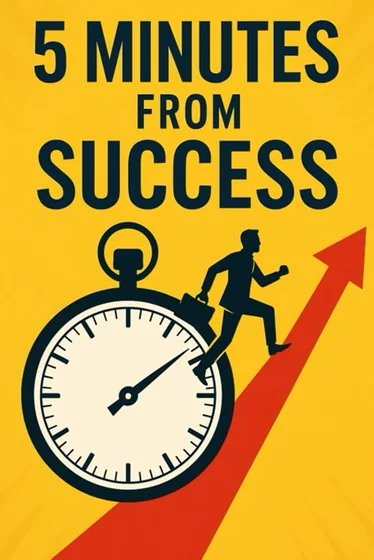
5 Minutes from Success — self-help book cover

Self-help · Paperback & Kindle
ISBN 979-8-2802-7268-2
Paperback on Amazon ↗
Full book page →

Register 02Practical systems

5 Minutes from Success

Unlock your discipline, identity, and power — five minutes at a time.

Self-help lives or dies on structure: a promise a reader can hold, chapters that each earn their keep, and a system small enough to actually use on a Tuesday. This one is built around five-minute units of change — habit architecture a reader can start before the first chapter ends.

What this proves for your book

Framework thinking. If you're a coach, consultant, or expert, this is the register your book will live in — ideas turned into repeatable, teachable structure.

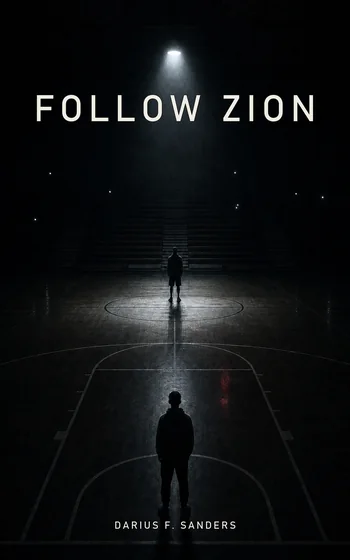
Follow Zion — young adult basketball novel cover

YA sports fiction · 52 chapters
ISBN 979-8-1882-1312-1
Paperback on Amazon ↗
Full book page →

Register 03Voice-driven fiction

Follow Zion

A bench player, a camera, and the season everything changed.

Brandon saw the opening before Cameron did.

The weak-side defender had both feet in the paint, staring at the ball. One pass to the corner would make him run. One hard closeout, one shoulder fake, and the lane would split straight to the rim.

Brandon leaned forward at the end of Carver’s bench, palms pressed to his knees.

“Corner,” he said.

Cameron Price kept the ball high and swung it back to the top.

The opening vanished.

Follow Zion · Chapter one · End of the Bench
What this proves for your book

Interiority under control. Fifty-two short chapters that hold a teenage reader without a wasted scene — pacing built for the way young readers actually read.

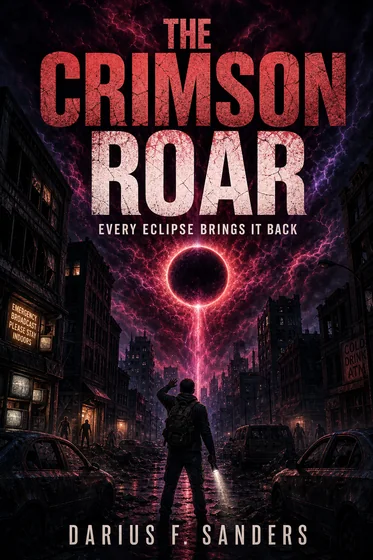
The Crimson Roar — literary post-apocalyptic novel cover

Literary fiction · 96,000 words
ISBN 979-8-1857-9319-0
Paperback on Amazon ↗
Full book page →

Register 04Literary prose

The Crimson Roar

Book one. The world ends at 11:40 on an ordinary morning.

The last ordinary thing Paul did was lose an argument about a banana.

The baby wanted it peeled from the wrong end and would not be reasoned with, and Dana was laughing at him from the sink, and Lucy was narrating the whole crisis to her cereal in the grave voice of a courtroom reporter, and Paul stood in his own kitchen in the gray of six-forty with a banana and a furious toddler and thought, the way you think a thing you’ll never get to be embarrassed about later, that he was a man who had everything and most of it was sticky.

He kissed all three of them on his way out. He always did; it wasn’t a thing he noticed doing. The baby’s head smelled like sleep. Lucy held up her cereal spoon for inspection and he inspected it. Dana, on his way past, without either of them looking up from what they were doing — her hand found his and squeezed once and let go, the whole of a marriage in it, the entire ordinary miracle, go on, you’ll be late.

The Crimson Roar · Prologue
What this proves for your book

Sentence-level craft at full length — 96,000 words that hold this standard from the first banana to the final withheld line. This is the register memoirs and upmarket fiction are bought in.

Cancer and the Evidence as We Know It — evidence reference cover

Evidence reference · 206,000 words
546 verified endnotes
In professional review · Forthcoming
Full book page →

Register 05Verified research

Cancer and the Evidence as We Know It

An honest reason to keep moving.

If cancer has entered your life, it may feel as though everyone suddenly has something to tell you. A physician explains a treatment plan. A friend sends a video. A relative remembers an herb. A stranger online describes a remission. One expert warns against sugar, while another warns against losing weight. One person tells you to trust science. Another tells you that science has overlooked too much. Much of this advice arrives with urgency, and some of it arrives with absolute certainty.

Meanwhile, you may be trying to make sense of it all while frightened, exhausted, in pain, caring for someone you love, or recovering from news that divided your life into before and after.

This book begins by respecting that reality.

Cancer and the Evidence as We Know It · A Pact With the Reader
What this proves for your book

Research discipline at industrial scale: 206,000 words carrying 546 endnotes, every one verified against the primary source — PMIDs, DOIs, and re-check dates included. If your book has to survive expert scrutiny, this is the standard it will be held to here first.

Five registers down.
Yours is next.

Whatever shelf your book belongs on, it gets written by someone who has already stood a book on it.

Start your book